


Survivorship care is not just about quality of life. You can change aspects of your lifestyle that meaningfully reduce risk of recurrence and increase overall survival. This article was written in partnership with KNOW Oncology.
Exercise: the strongest pillar of survivorship
Exercise is one of the most impactful modifiable factors in cancer survivorship, with growing evidence demonstrating improvements in recurrence and mortality outcomes.
Exercise goals
- Aerobic exercise: At least 150 minutes of moderate activity (a level where you can talk but not sing) or 75 minutes of vigorous activity (a level where you can only say a few words without stopping to catch a breath) per week, with an ultimate goal of 300 minutes moderate/150 minutes vigorous per week.
- Resistance training: 2-3 sessions per week targeting major muscle groups.
What the evidence shows
- CHALLENGE trial – This large long-term study demonstrated exercise reduced the risk of recurrence or death, and reduced overall mortality for people with colon cancer who participated in an exercise program after chemotherapy. People in this study increased their exercise by 10 ET hours a week: roughly 45-60 minutes of brisk walking, 3 to 4 times a week.
- Pan-cancer analysis – In a large study of cancer survivors over 16 years, exercise levels consistent with guidelines (described above) reduced risk of all-cause mortality, cancer mortality, and mortality from other causes.
- 2025 meta-analysis – Physical activity significantly reduced all-cause mortality across breast, colorectal, prostate, and lung cancer.
- Breast cancer meta-analysis – In breast cancer survivors, moderate intensity exercising >2.5 hours/week was associated with a 50% reduction in all-cause mortality. Benefits were also observed in sub-guideline levels (~1 hour/week = ~25% reduction).
Practical tips
- Start low and progress: 1-3 days/week of light–moderate activity (e.g., walking)
- Use tools: wearables, step tracking, and group programs to help you stick with it
Read more


Movement is an individualized practice, so talk to your doctor about any personal considerations for picking the best exercise practice for you.
Nutrition
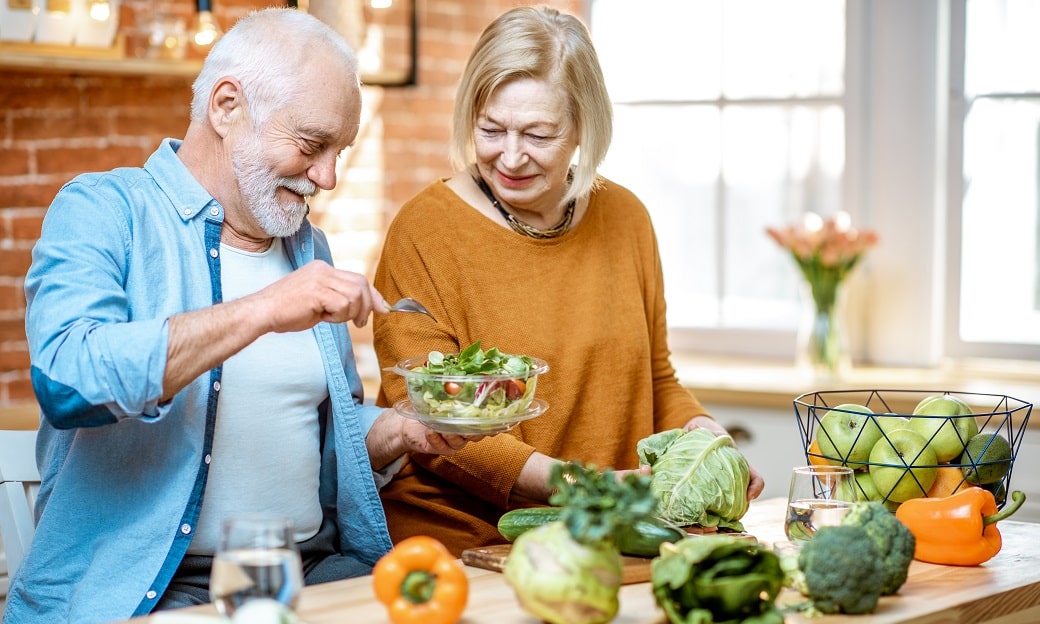
Nutrition is an important pillar in survivorship. For many Canadians and Americans, the standard American diet dominates our food landscape. However, the evidence supports a Mediterranean-style diet for cancer survivors.
Nutrition goals
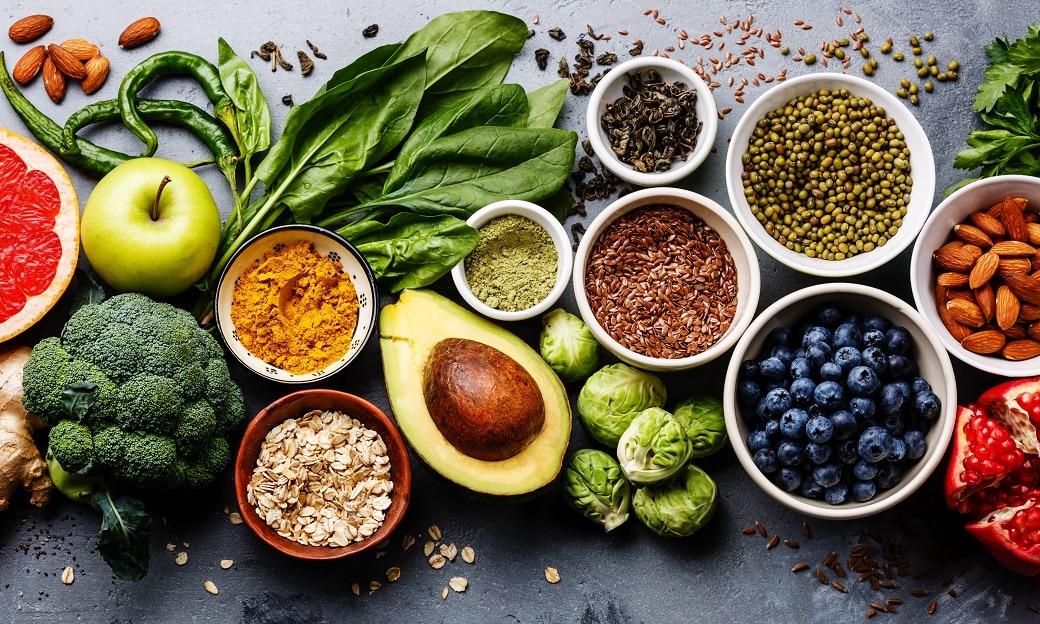
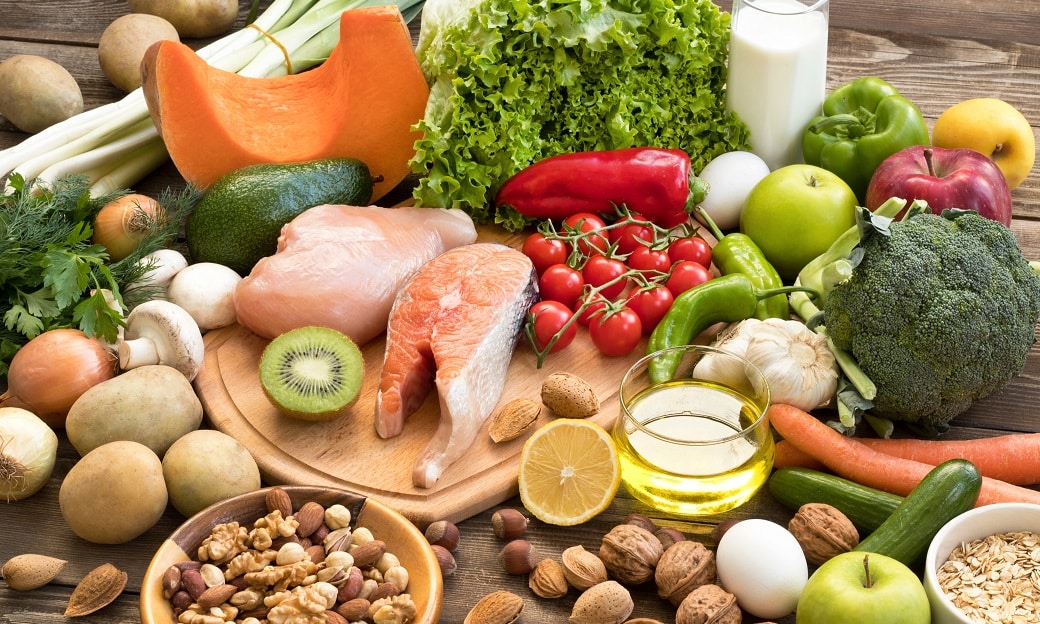
- The Mediterranean diet has consistently demonstrated improved cancer survival and cancer prevention benefits. This diet emphasizes vegetables, fruits, beans/legumes, whole grains, nuts, and seeds, olive oil, and a preference for poultry, fish (particularly fatty fish), legumes, low-fat dairy, eggs, nuts and seeds as primary protein sources.1Nucci D, Ragusa FS et al. Mediterranean diet in cancer patients’ survival: A systematic review and meta-analysis for tertiary prevention featured in the Italian National Guidelines “La Dieta Mediterranea”. Nutrition. 2026;145:113071.
- Other goals include:
- Whole soy foods appear beneficial, with the strongest evidence for the reduction of breast cancer recurrence.
- Limit red meat to <18 oz (cooked) per week.
- Avoid processed meats (ham, hot dogs, bacon, sausage).
- Limit ultra-processed foods high in fats, starches, or sugars (for example, packaged snacks, frozen meals, fast food).
- Limit sugar-sweetened beverages.
- Avoid alcohol – although evidence is inconclusive on survivorship-specific recurrence and mortality data and alcohol consumption, the evidence is clear that no amount of alcohol is safe for cancer prevention, as risk for some cancers increases at even less than one drink per day. It is recommended to avoid alcohol in cancer survivorship.
What the evidence shows
There is consistent evidence that nutrition impacts long-term outcomes for people with cancer.
- Mediterranean diet: A 2026 meta-analysis of 17 survivorship studies found that higher Mediterranean diet adherence was associated with reduced overall mortality across breast, prostate, ovarian, and gastric cancers, and improved disease-free survival in breast cancer.
- Western diet and colon cancer: In the landmark CALGB 89803 study of stage III colon cancer patients receiving adjuvant chemotherapy, those with the highest Western dietcharacterized by a high intake of ultra-processed foods, refined grains, added sugars, unhealthy fats (saturated and trans fats), and red meats intake had a higher risk of recurrence or death. In the same cohort, highest adherence to ACS nutrition guidelines was associated with a lower risk of death.
- Mediterranean diet and primary breast cancer prevention: In the PREDIMED RCTrandomized controlled trial, a study design in which people are randomly assigned to either an experimental group or a control group to compare the outcomes from different treatments; an RCT is considered a strong design for determining a therapy’s effects, over 4000 post menopausal women who were considered high risk for cardiovascular disease were randomized to Mediterranean diet with extra-virgin olive oil, Mediterranean diet with mixed nuts, or low fat diet for 5 years. The Mediterranean diet with extra virgin olive oil had a 68% lower risk of developing breast cancer than the low fat diet group. For both Mediterranean diets together, there was a risk reduction of 51%.
Practical tips
- Focus on additive framing: “eat more of this” rather than restriction.
- Introduce changes gradually over weeks to months.
- Use the plate method:
- 2/3 plant-based foods
- 1/3 protein (preferably fish, poultry, or legumes)
- Practical strategies:
- Replace butter with olive oil
- Swap processed snacks for whole-food options
- Introduce plant-based meals (for example, “Meatless Monday”)
- Add fruit to breakfast or “eat the rainbow”
- Replace one sugary drink daily with water
- Use a stepwise “add one vegetable” approach every 2-4 weeks
Read more
Sleep
Sleep disturbance affects many cancer survivors and can persist for years after the end of treatment. The good news is that sleep is one of the most actionable lifestyle factors we can address.
Sleep goals
(As per NCCN 2026 survivorship guidelines)
- Adults: 7-9 hours per night
- Older adults (65+): 7-8 hours per night
- Adolescents and young adults: 8-10 hours per night
What the evidence shows
The evidence points to a ‘sweet spot’ for sleep and survival benefits, as too little sleep and too much sleep have both been shown to be associated with worse survival outcomes. Disturbed sleep is also associated with worse survival outcomes.2Li et al, the CALGB/SWOG 80702 trial, the Nurses’ Health Study, Strøm et al.
An important note: Sleep disturbance may be a result of depression or treatment side effects. Working with your doctor to address side effects or mental health issues can have an impact on sleep quality.
Practical tips
- Sleep hygiene should be a component of sleep-related treatment.
- Reinforce circadian alignment: encourage morning bright light exposure, consistent sleep-wake timing, limiting screen exposure in the hours before bed, and restricting daytime naps to one short nap in the afternoon.
- Consider Cognitive Behavioral Therapy for Insomnia (CBT-I).
- Physical activity may improve sleep quality in cancer survivors. Progressive muscle relaxation (which requires no equipment and can be performed in bed) can be an excellent starting point.
Read more

Natural health products
- Vitamin D: In a large review of studies of people with cancer, post-diagnosis vitamin D supplement use was associated with a 13% improved overall survival.
- Practical takeaway: Ask to have your Vitamin D levels tested and work with a practitioner to correct deficiency before and during treatment, where benefits appear more consistent.3Chen QY, Kim S et al. Post-Diagnosis Vitamin D Supplement Use and Survival among Cancer Patients: A Meta-Analysis. Nutrients. 2022 Aug 19;14(16):3418.
- Omega-3 fatty acids: In a large review of studies of women with breast cancer, omega-3 fatty acid supplementation during or after breast cancer treatment statistically improved progression free survival, overall survival rates, perceived stress, sleep disturbance, depression, pain, joint stiffness, and fatigue.
- Practical takeaway: Ask your doctor if omega-3 fatty acids are appropriate for you.
Read more

More on survivorship
Subscribe to our newsletter › to hear about upcoming webinars on topics like this.
References